Time for Provincial Status

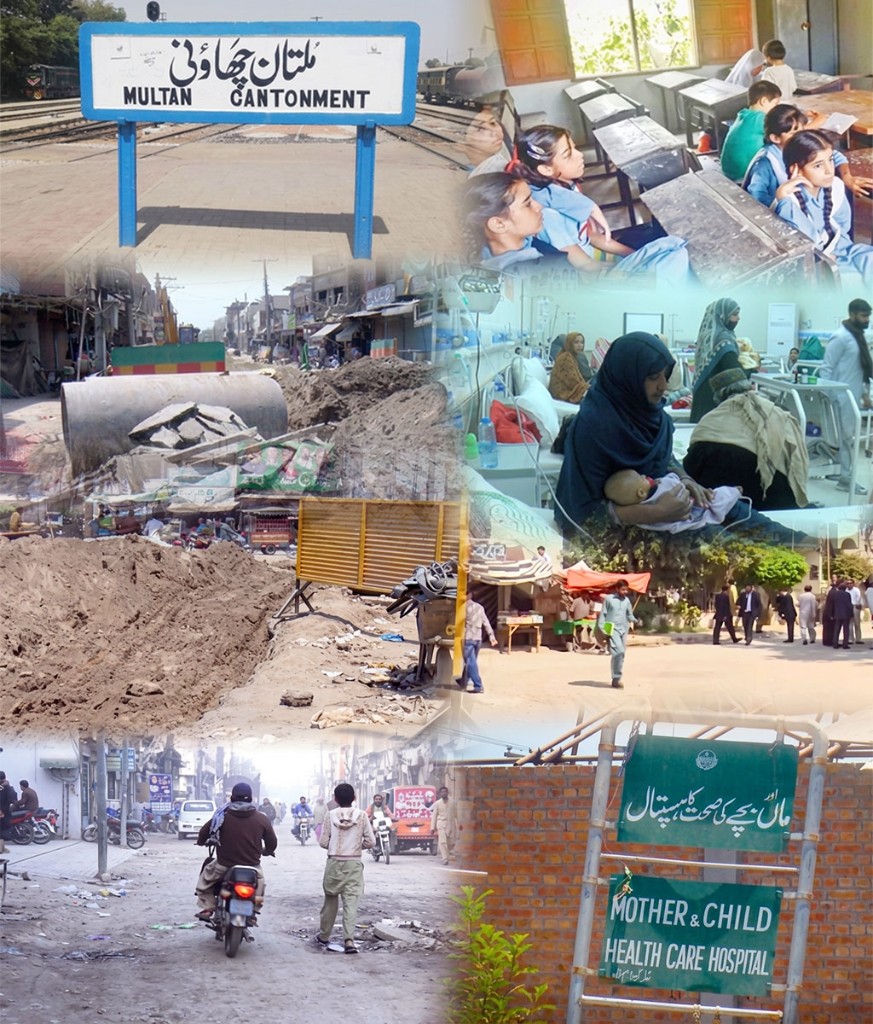
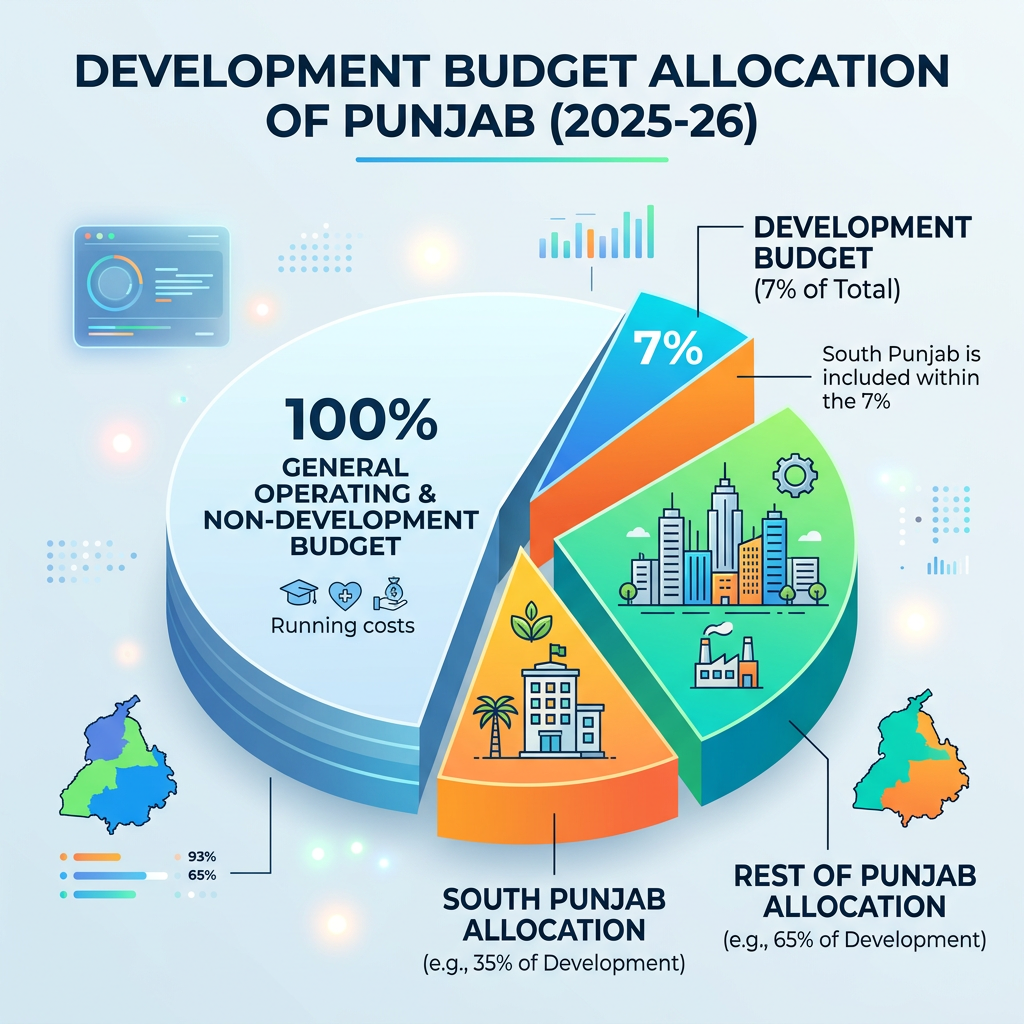
Multan Division, with a population of 14.085 million and an area of 17,935 km², is larger than 100 countries in population and over 35 countries in land area. Despite its strong economic and agricultural output, it faces poverty, underdevelopment, and chronic neglect, receiving just around 7% of South Punjab development funds while Lahore and central Punjab dominate spending. Around thousands of its population lives in poverty, a significant percentage of children are out of school, educational and infrastructural access remains strained, and thousands of crime cases are reported annually. Experts believe that granting provincial status could be a game-changer, ensuring fair representation, improved governance, and balanced development.
Key Socio-Economic Indicators
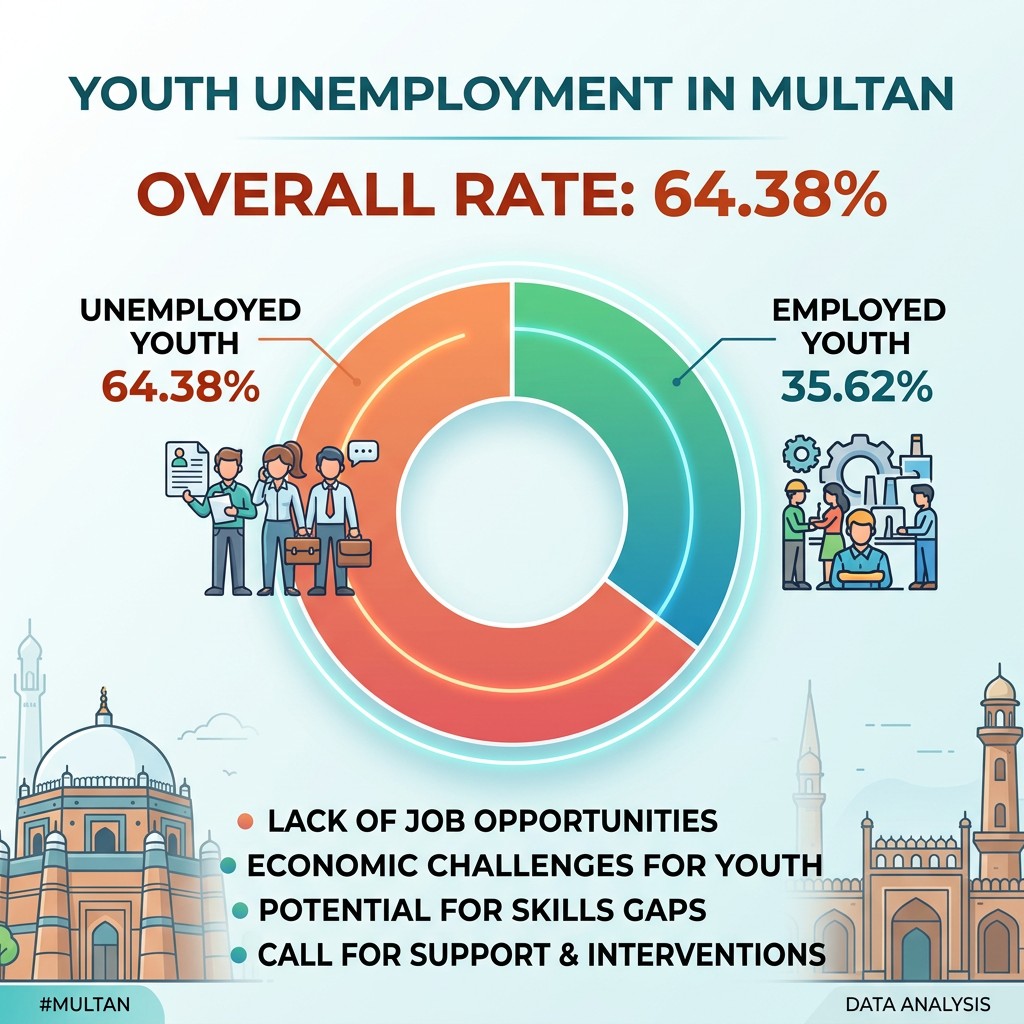
Youth Unemployment 64.38%
Development Budget Allocation of Punjab (2025-26) 7% (South Punjab)
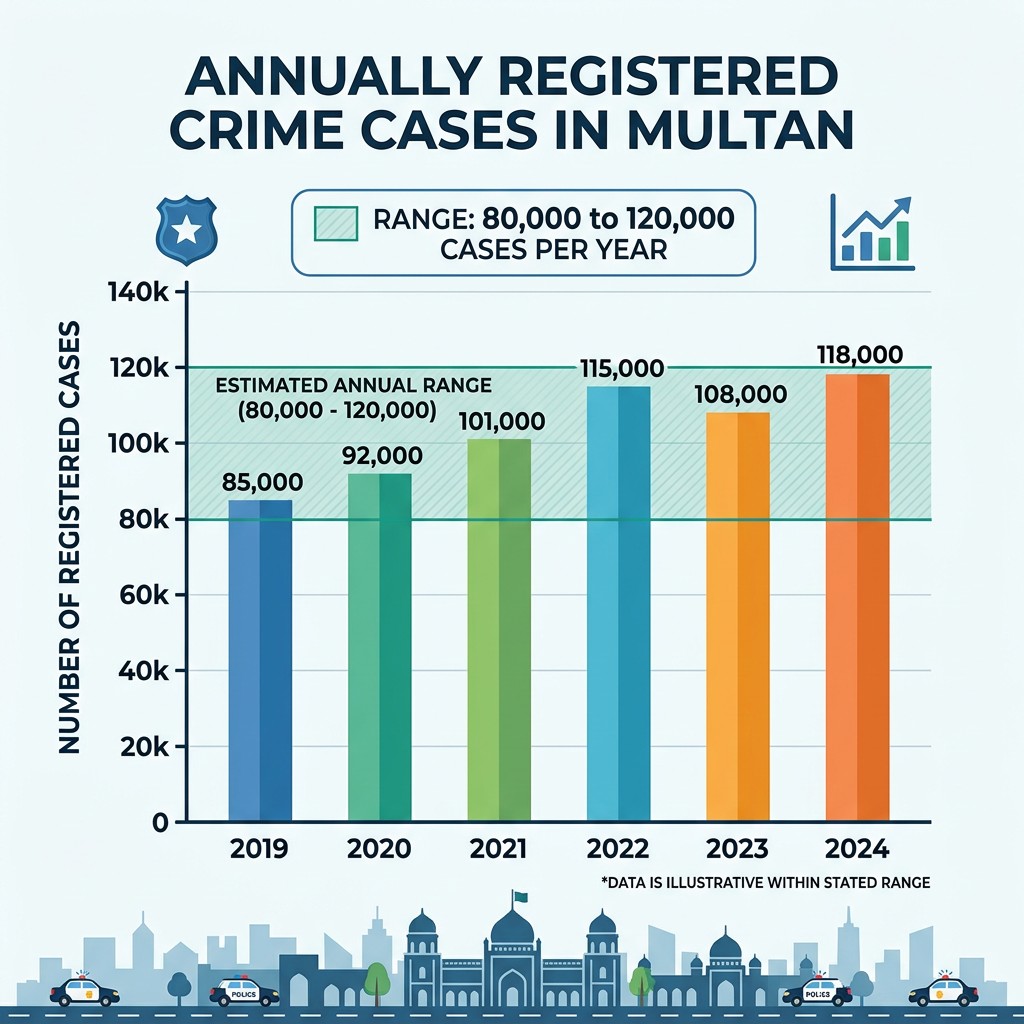
Annually Registered Crime Cases 80,000 to 120,000
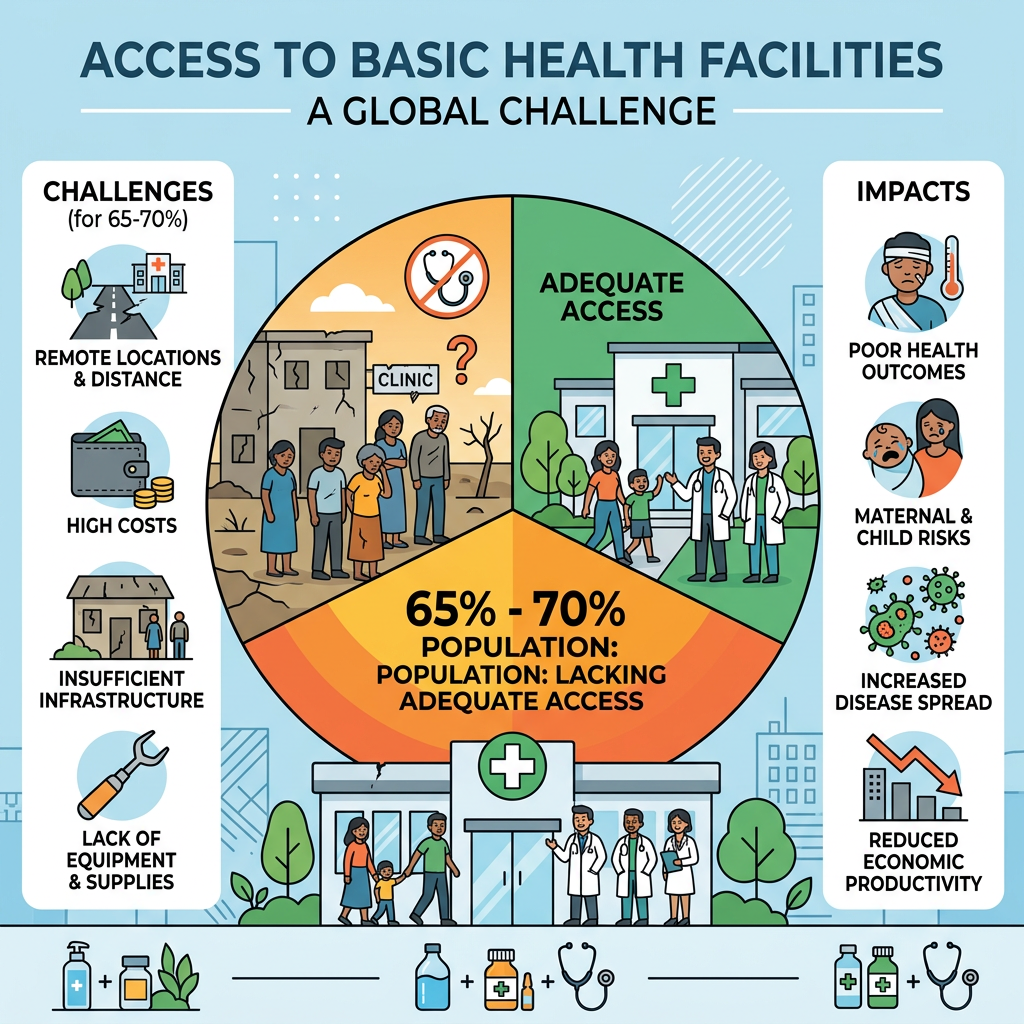
Lacking Basic Health Facilities 65% to 70%
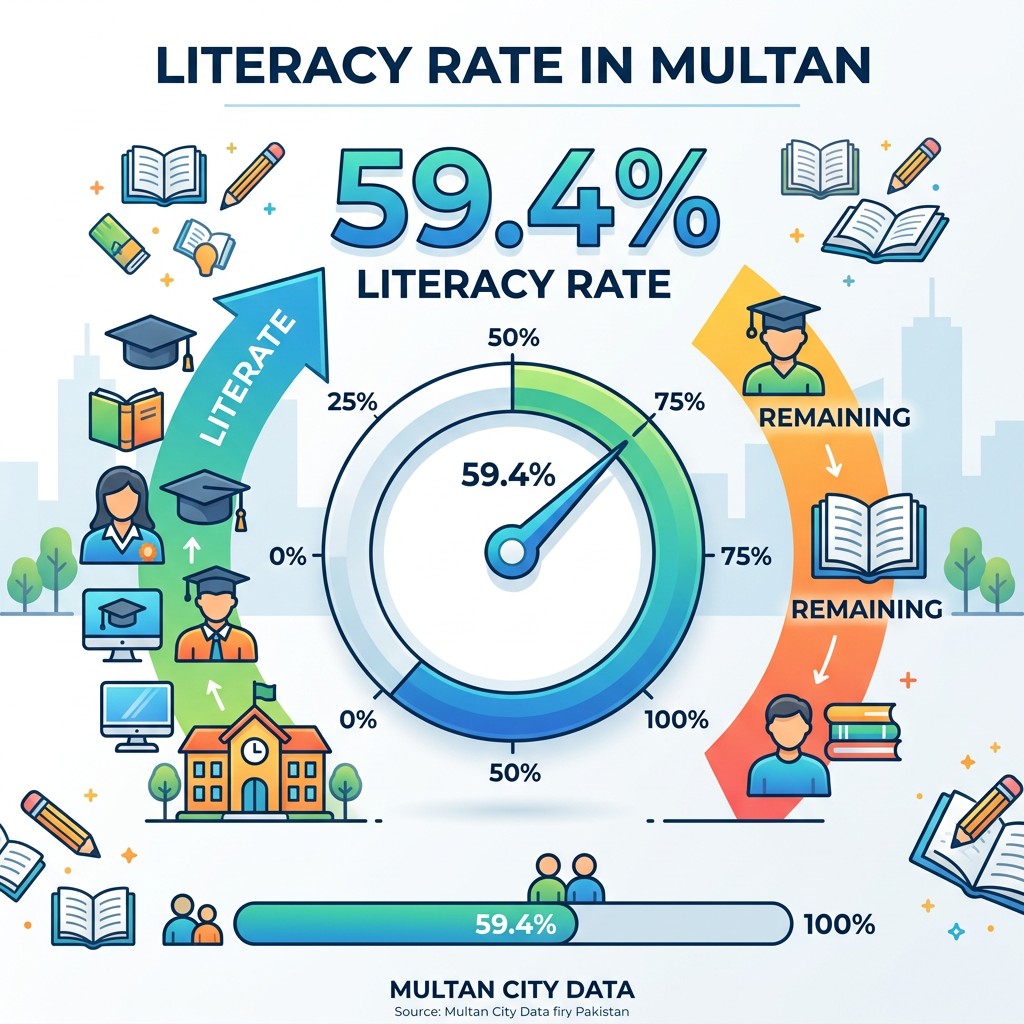
Literacy Rate 59.4%
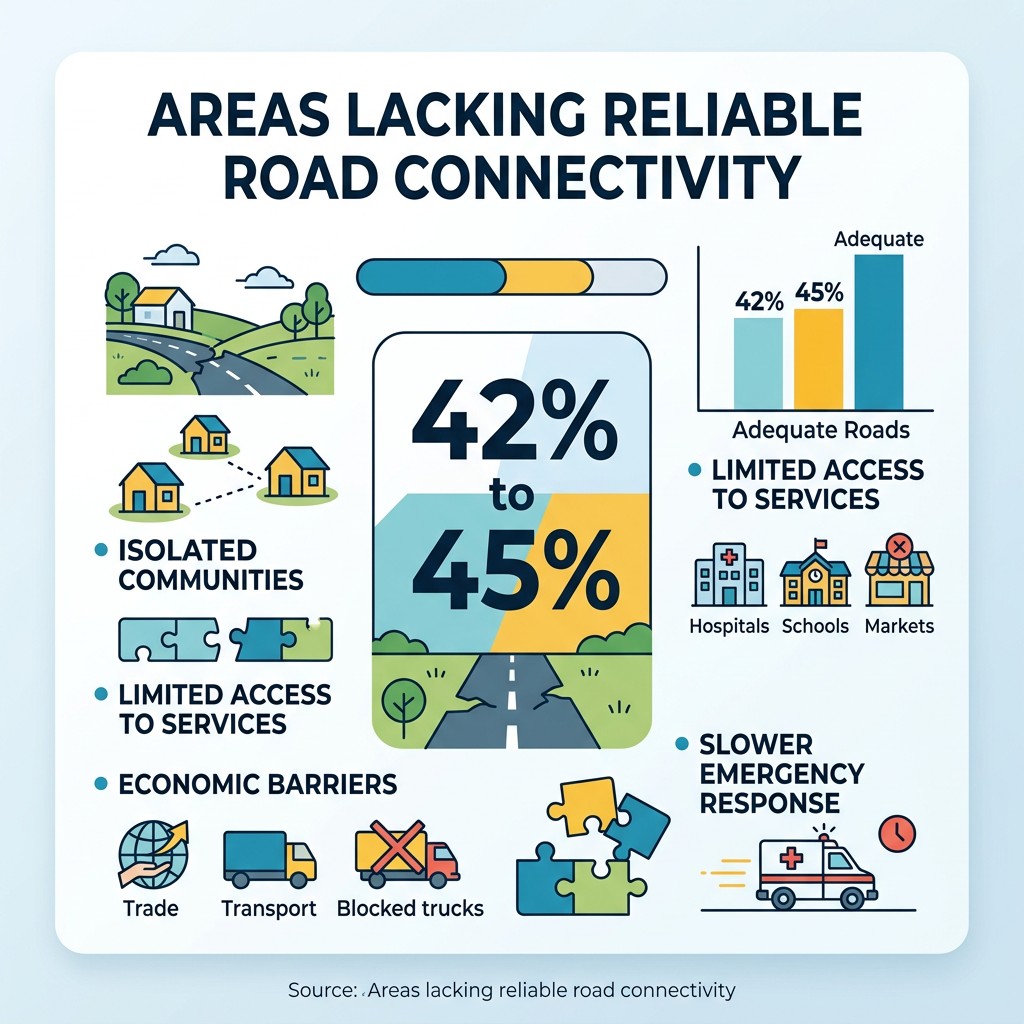
Lacking Road connectivity 42% to 45%
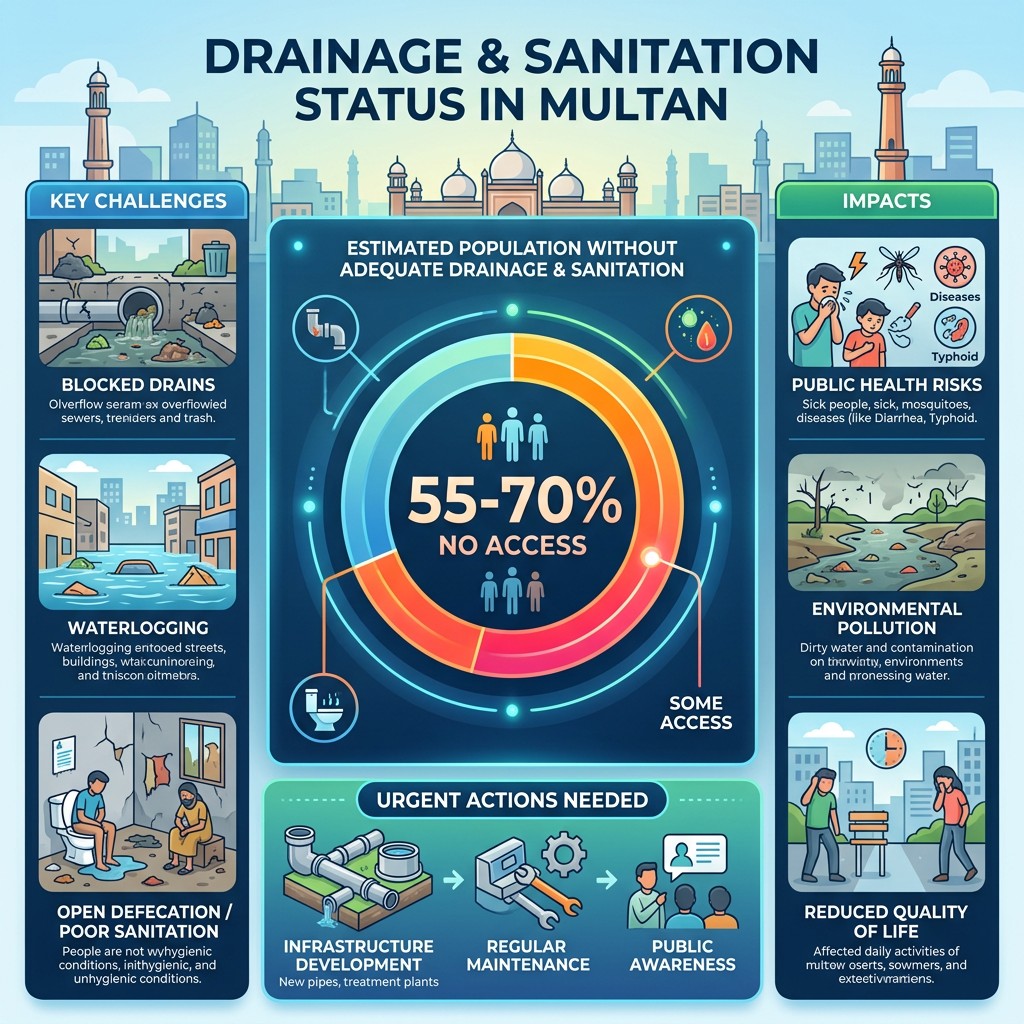
No Drainage and Sanitation 55–70%
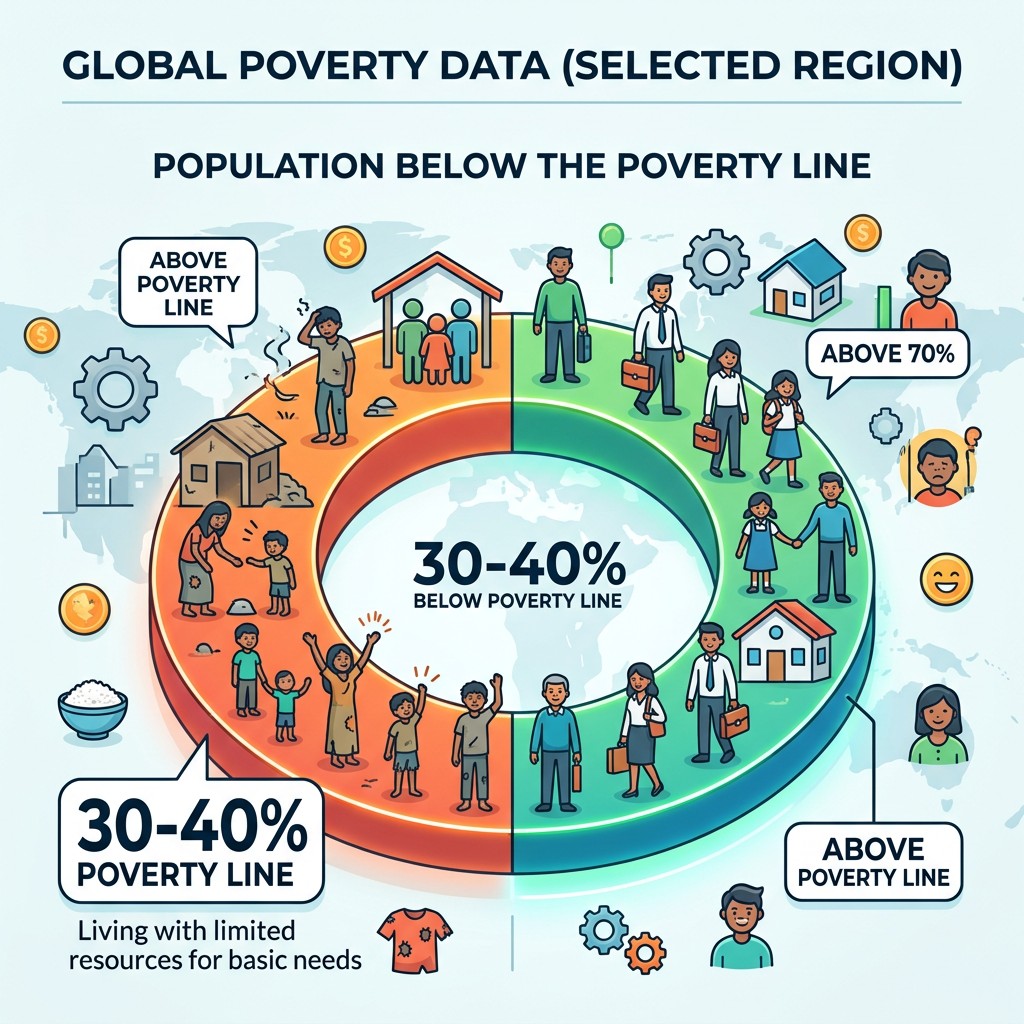
Population below the Poverty Line 30–40%
Youth Unemployment in Multan — 64.38%
Development Budget Allocation of Punjab (2025-26) — 7%
Annually Registered Crime Cases in Multan — 80,000 to 120,000
DHQ Hospital Vehari — District Headquarters Hospital
Literacy Rate in Multan — 59.4%
Areas Lacking Reliable Road Connectivity — 42% to 45%
Drainage and Sanitation Status in Multan — 55% to 70%
Population below the Poverty Line — 30% to 40%
04
Districts
14
Tehsils
14,085,102
Population (2023 Census)
17,935
Area (km²)

Key challenges

Multan Division is facing many deep problems. These include weak healthcare, not enough medical staff, bad public cleaning, unsafe drinking water, and few jobs. All of these make life and health harder for the people living there.

  • Health Overload
    Hospitals are very crowded because of the growing population and too many patients coming in from nearby areas. This causes heavy stress on hospitals like Nishtar Hospital and leads to shortages in medical care.
  • Education Shortfalls
    The area lacks good schools, has a shortage of teachers, and offers few chances for higher education. This keeps literacy rates and school attendance low.
  • Sewerage Pollution
    Bad sewer systems and poor trash handling cause heavy pollution. Wastewater mixes into the environment, creating serious health dangers for everyone.
  • Drinking Water
    Getting clean and safe water is a major problem. Many people have to use dirty or unsafe water that contains dangerous chemicals and heavy metals.
  • Employment Challenges
    There are not enough factories or formal jobs. This leads to growing unemployment and money troubles across the region.
  • Budget Allocation
    In a prominent difference, Multan Division gets only small part of Punjab’s FY 2025-26 development budget, while Lahore Division takes more than half of it.
Key challenges in Multan Division

Governance Deficits

Sewerage Overload

Multan division faces lower operational efficiency of sewerage disposal stations compared to Lahore.

Multan :
17/37 (46% Operational, in deteriorated condition)
Lahore :
124/124 (100% Operational)

Poor Road Infrastructure

Multan’s main regional and arterial transit routes are severely dilapidated, and key inter-district link roads have remained damaged due to heavy freight and neglect.

Drinking Water

Multan Division faces a much worse drinking water crisis than Lahore Division.

Inactive Water Filtration Plants

Multan
40%
Lahore
28%

Poverty Rate

Compared to Lahore, Multan Division is facing a much deeper poverty challenge.

Multan
32%
Lahore
4–6%

Health Indicators

Stunted Growth & Wasting

Child malnutrition, including stunting and wasting, is significantly worse in Multan than in Lahore.

Child Stunting

Multan
44%
Lahore
27%

Child Wasting

Multan
28.43%
Lahore
7.7%

Hospital Beds per 1,000 people

The availability of hospital beds is considerably lower in Multan than in Lahore.

Multan
0.5
Lahore
1.2

Teaching & Specialized Hospitals

Lahore has a much stronger network of teaching and specialized hospitals than Multan.

Multan
1
Lahore
20

Child Health Crisis

The child health situation in Multan is far more alarming than in Lahore.

Infant Mortality (per 1,000 live births)

Multan
50–70+
Lahore
44

Child Mortality (per 1,000)

Multan
60–90+
Lahore
52

Health Professionals per 1,000

The health workforce is much weaker in Multan than in Lahore.

Multan
0.4
Lahore
1.2

Education shortfalls

Out-of-School Children (OOSC)

Multan faces a far greater challenge of out-of-school children than Lahore.

Multan
30.64%
Lahore
9%

Net Enrolment Rate

Multan faces a much deeper education gap in net enrolment than Lahore.

Multan
39%
Lahore
70%

Access to Schools

Limited school access remains a serious concern in Multan.

Multan
60%
Lahore
90%

Judicial Statistics

Annual Criminal Cases

Multan Division registers high volumes of criminal cases, aligning with the 80,000-120,000 range when including all categories, contributing to severe system strain.

Lower Courts — Multan Division (Pending Cases)

In the lower courts of the Multan Division, 59,718 criminal cases and 84,568 civil cases are currently pending.

Consequently, the total number of pending cases in the lower courts of the Multan Division amounts to 144,286.

Lahore High Court — Multan Bench

On average, approximately 55,000 crime cases are registered annually in the Multan Division.

Global Comparison:

  • Pakistan: 241.5 million people with 04 provinces
  • India: Had 9 states at independence; now has 37. New states are created every five years, doubling the pace of development.
  • China: 1.4 billion people with 31 provinces.
  • USA: 320 million people with 50 states.
  • Indonesia: 275 million people with 34 provinces.
  • Russia: 142 million people with 70 to 75 provinces.

More Videos

Chat with Us